Welcome to Credo, We are an Industrial Water Pump Manufacturer.

Why Is Proper Sealing Crucial During Assembly for a Multistage Vertical Turbine Pump?
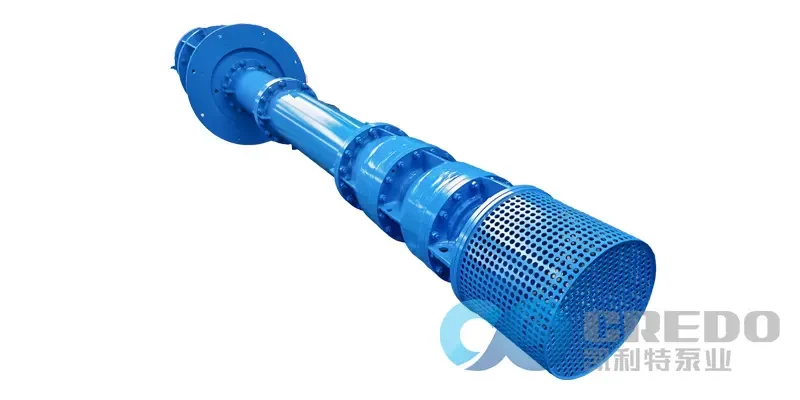
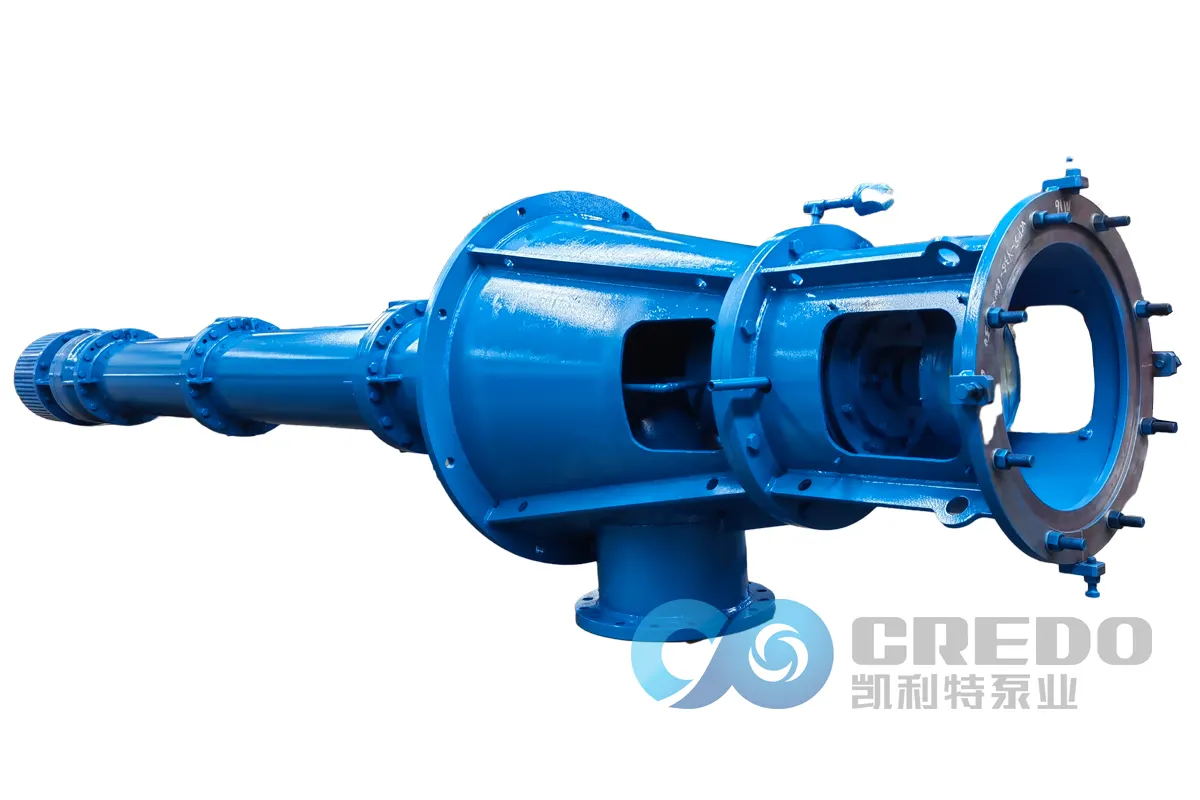
A multistage vertical turbine pump (VTP) is widely used in deep-well water supply, industrial circulation, irrigation projects, and municipal applications due to its ability to deliver high head and stable performance. As a multi-stage structure operating under submerged conditions, the reliability of every internal interface is heavily dependent on proper sealing. During assembly, even a minor sealing issue can lead to performance degradation, mechanical damage, and shortened service life. Therefore, proper sealing is one of the most critical factors in ensuring long-term, efficient, and safe pump operation.
1. Preventing Internal Leakage Between Stages
In a multistage vertical turbine pump, hydraulic energy is generated progressively as water passes through multiple bowls and impellers. Each stage must maintain a controlled pressure balance. If sealing surfaces between stages are not properly fitted or gaskets are not installed correctly, internal bypass leakage can occur. Such leakage reduces overall pump head, leading to:
Noticeable head loss compared to design values
Reduced system efficiency
Increased energy consumption to compensate for lost pressure
Good sealing ensures that each stage contributes fully to the required total head.
2. Protecting the Pump Shaft and Bearings
A multistage vertical turbine pump uses a long shaft system supported by multiple sleeve bearings. Proper sealing—especially around column pipe joints, bearing retainers, and shaft sleeves—ensures clean, uninterrupted lubrication flow. Poor sealing may allow sand, silt, or air to enter the bearing system, resulting in:
Premature bearing wear
Shaft vibration and misalignment
Potential shaft scoring or cracking under long-term stress
Correct sealing during assembly helps maintain stable axial and radial loads on the rotating components.
3. Ensuring Stable Suction and Preventing Air Ingress
Air entering the suction path is a major risk for vertical turbine pumps, especially in deep-well applications where suction lift and NPSH conditions are sensitive. Improper sealing at column joints, bowls, or suction strainers may cause air infiltration, which leads to:
Cavitation damage on impeller surfaces
Sudden vibration and noise
Loss of prime or intermittent flow
Reduced pump capacity
By maintaining airtight joints, the pump can operate with stable suction pressure and avoid cavitation-related failures.
4. Protecting the Pump from Contaminants
In many installations, vertical turbine pumps are exposed to raw water sources containing sand, debris, or corrosive elements. Proper sealing prevents these contaminants from entering critical areas such as:
Stage bowls
Shaft sleeves
Discharge column interiors
Bearing housings
Contaminant intrusion accelerates mechanical wear and increases the likelihood of corrosion or blockage. Effective sealing acts as a barrier that significantly extends component lifespan.
5. Maintaining Correct Axial Thrust Balance
Multistage pumps generate substantial axial forces. Incorrect sealing—especially at the bowl assembly, seal rings, and guide bearings—can disrupt hydraulic balance, causing:
Excessive load on the thrust bearing
Overheating or bearing failure
Increased friction losses
Irregular impeller clearance
Precision sealing ensures that the axial loads are properly distributed and that the pump operates within its design parameters.
6. Preventing Structural Loosening and Vibration Issues
Sealing components such as gaskets, O-rings, and register fits also play a structural role in stabilizing bowl assemblies, discharge heads, and column joints. If these seals are not installed correctly:
Micro-movement between components may occur
Increased vibration will travel along the pump column
Fasteners can loosen gradually
Long-term structural fatigue may develop
Proper sealing creates consistent contact surfaces that enhance mechanical rigidity and operational stability.
Conclusion
Proper sealing during assembly is essential for the reliable performance of a multistage vertical turbine pump. It prevents internal leakage, stabilizes hydraulic operation, protects bearings and shafts, ensures suction integrity, and keeps contaminants out of critical areas. By maintaining correct axial balance and minimizing vibration, effective sealing directly contributes to longer service life, improved efficiency, and reduced maintenance costs. For industries relying on continuous water supply and high-pressure applications, ensuring proper sealing is not optional—it’s a fundamental requirement for safe, efficient, and durable pump operation.
Related Posts